September 22, 2026 Post by : Editorial Fantasy
The Midnight Library by Matt Haig: A Chamomile and Lavender Blend for Regret at 3 A.M.
There is a man who lives in a house. The house is infinite. Its lower floors are flooded by an ocean, and its upper halls are filled with clouds. Statues line the walls, some of them beautiful, some of them strange, and the man, who calls himself Piranesi, has spent years mapping the rooms and cataloguing the tides. He keeps a journal. He brings offerings of seaweed and fish to the Other, the only other living person he knows. He is, by his own account, happy. The reader, of course, knows better, or suspects better, and the slow unravelling of that suspicion is one of the great pleasures of recent fiction.
Susanna Clarke published Piranesi sixteen years after Jonathan Strange & Mr Norrell, and the two books could not be more different. Where the first was sprawling and wry, this one is short, spare, and almost unbearably tender. Clarke writes in Piranesi's voice, and his voice is gentle, precise, and slightly formal, the voice of a man who has learned to be careful with words because words are one of the few things he owns. The mystery at the centre of the book is real, and it resolves in a way that is satisfying rather than cheap, but the real achievement is the character. Piranesi is one of the most lovable narrators in modern fantasy, and the book's final chapters are as moving as anything Clarke has written.
Why Genmaicha Belongs Here
Genmaicha is green tea blended with roasted brown rice. It was originally a way to stretch expensive tea leaves, but it became popular on its own merits. The flavour is nutty, toasty, and slightly sweet, and it is almost impossible to brew badly. It is a humble drink, a farmer's tea, and it has a warmth that feels earned rather than decorative. That is the register of Piranesi. The book is not ornate. It is not trying to impress you. It is trying to tell you the truth about a man who has been alone for a very long time, and it does so with a kind of toasted, patient warmth.
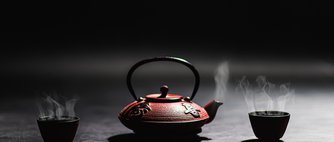
Brew it at 80 degrees, two minutes, and drink it without milk. The rice will settle at the bottom of your cup. Do not strain it out. Let it be part of the experience. If you have a cast-iron pot, use it. The book is full of stone and water, and the tea tastes better in something heavy.
How to Read It
Read it in two or three sittings. The book is short, and the mystery depends on momentum. Do not read the blurb, do not read reviews, and do not look up the title. Go in cold. The first fifty pages will feel strange, and then they will click, and you will want to start again from the beginning to see what you missed. Make a fresh pot for that second read. The genmaicha will taste different the second time, and so will the book.
Clarke has said that she wrote the novel slowly, over years, in and around chronic illness. That patience is visible on every page. It is a book about solitude and kindness and the stories we tell ourselves to survive, and it is, in its quiet way, one of the best things published this century. The tea will not change your life. But it will keep you company while the book does.

Author

22 feb,2025
This incident opened my eyes to the value of Insurance in general, so I decided to examine my personal and business insurance.




Comment (3)
The payments are made directly from one person to another without passing through a central bank or clearing house.
22 feb,2025
ReplyCirce by Madeline Miller: An Earl Grey for a Goddess Learning to Be Human
23 feb,2025
ReplyThe Thursday Murder Club by Richard Osman: A Proper Builder's Tea for Four Amateur Detectives
23 feb,2025
Reply