September 7, 2026 Post by : Editorial Literary Fiction
The Thursday Murder Club by Richard Osman: A Proper Builder's Tea for Four Amateur Detectives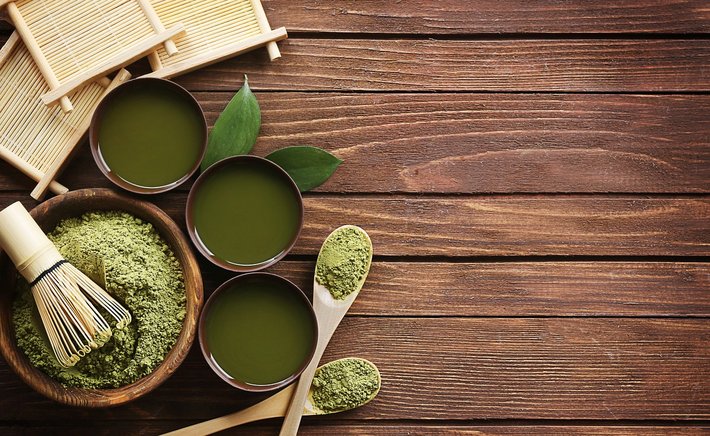
Klara is an Artificial Friend. She sits in a shop window, waiting to be chosen, and she observes the world with a patience that is almost unnerving. Kazuo Ishiguro's novel is told entirely from her perspective, and the central pleasure of the book is the gap between what Klara reports and what the reader understands. She is intelligent, literal, and devoted. She is also, in ways she cannot see, being used.
Ishiguro has spent his career writing about people who serve systems they do not fully grasp. The Remains of the Day is the obvious companion piece. Klara and the Sun is quieter and stranger, and it has stayed with me longer than I expected. The prose is plain. The ending is devastating in a way that sneaks up on you a day or two after you finish.
Why Genmaicha
Genmaicha is green tea blended with roasted brown rice. It is inexpensive, humble, and toasty, with a nutty flavour that makes it feel like a meal in a cup. It is the tea of ordinary households. That suits a novel about a machine designed to be a companion in an ordinary home, and about the way love and usefulness get tangled together when someone is built to serve.
The roasted rice also gives the tea a warmth that softens the green tea's grassiness. Klara's observations are not cold. They are tender, even when what she is describing is painful. Genmaicha has the same quality: it is comforting without being sweet.
Brew at 80 degrees Celsius for about a minute. It tolerates a second steep well. Some people add a pinch of salt, which is traditional in some Japanese households; try it once and decide for yourself.
Sitting With the Unease
This is not a book that explains itself. Ishiguro leaves the political context vague, and the reader assembles the world from fragments. That is deliberate. Klara does not understand everything, so neither do we, and the discomfort of that is part of the point.
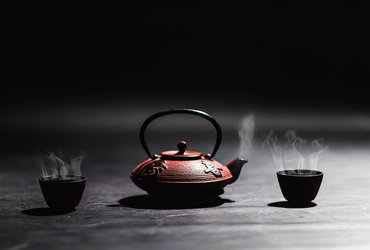
Read it in a quiet room. Read it when you have time to sit with the ending rather than rushing to the next thing. The tea helps. A bowl of genmaicha is not a drink you gulp. It is a drink you hold, and watch the steam rise from, and think.
When you finish, you may want to reread the first chapter. It will mean something different. That is the sign of a book worth the time, and a cup worth making twice.


Author

22 feb,2025
This incident opened my eyes to the value of Insurance in general, so I decided to examine my personal and business insurance.



Comment (3)
The payments are made directly from one person to another without passing through a central bank or clearing house.
22 feb,2025
ReplyThe Midnight Library by Matt Haig: A Chamomile and Lavender Blend for Regret at 3 A.M.
23 feb,2025
ReplyProject Hail Mary by Andy Weir: A Bright Sencha for a Problem-Solving Sprint
23 feb,2025
Reply