September 25, 2026 Post by : Editorial Non-Fiction
Educated by Tara Westover: A Smoky Lapsang Souchong for a Memoir That Smells Like Fire
Braiding Sweetgrass is a book that resists summary. Robin Wall Kimmerer is a botanist, a member of the Citizen Potawatomi Nation, and a writer of unusual patience. The essays in this collection move between science and story, between the laboratory and the marsh, between what she learned in graduate school and what she learned from her elders. She writes about strawberries and sweetgrass, about the gift economy of a pecan harvest, about the grammar of animacy in Potawatomi, a language in which rocks and rivers are not 'it'. The book is not a polemic. It is an invitation. Kimmerer asks you to pay attention to the living world, and then she shows you how.
What makes the collection work is that it never lectures. When Kimmerer writes about the damage done to Indigenous lands and peoples, she does so with a clarity that is all the more powerful for being calm. When she writes about her students, or her daughters, or the pond behind her house, she is funny and specific and sometimes unsure of herself. The book is full of small failures and small recoveries. A chapter about trying to restore a patch of land becomes a chapter about humility. A chapter about a gift of strawberries becomes a chapter about what it means to receive something you did not earn.
Why Peppermint Is the Right Tea
Peppermint is not a tea in the strict sense. It is an infusion, a tisane, a handful of dried leaves in hot water. It has no caffeine, no ceremony, and no complexity to speak of. What it does have is clarity. A good peppermint infusion is bright and clean and slightly cooling, and it clears the head in a way that heavier drinks do not. That is what this book asks of you. It asks you to put down your phone, sit near a window, and let your attention settle.
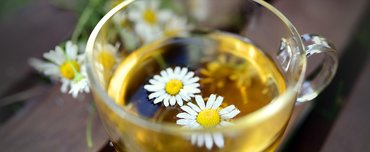
Use fresh mint if you have it, a generous handful, and pour water that has just come off the boil. Steep five minutes. Do not add sugar. If you want something a little more interesting, add a few dried chamomile flowers, but keep it simple. The point is not the flavour. The point is the pause.
How to Read It
Do not read this book in one sitting. It is not built for that. Read one essay at a time, ideally outdoors if the weather allows, and let it sit with you for a day before you move on. The chapters about the Three Sisters, corn, beans, and squash, and about the gift of the strawberries are good places to start. The final section, which deals with the return of the gift, is the one that will stay with you longest, and it deserves a fresh pot and a quiet evening.
Kimmerer is not asking you to become a botanist or an activist. She is asking you to notice. That is harder than it sounds, and it is worth the effort. The peppermint will help. So will the book.
Author
22 feb,2025
This incident opened my eyes to the value of Insurance in general, so I decided to examine my personal and business insurance.



Comment (3)
The payments are made directly from one person to another without passing through a central bank or clearing house.
22 feb,2025
ReplyThe Night Circus by Erin Morgenstern: A Jasmine Silver Needle for a Dream You Can't Quite Remember
23 feb,2025
ReplyCirce by Madeline Miller: An Earl Grey for a Goddess Learning to Be Human
23 feb,2025
Reply